Massage for Better Circulation Swedish Deep Tissue and Aromatherapy Benefits
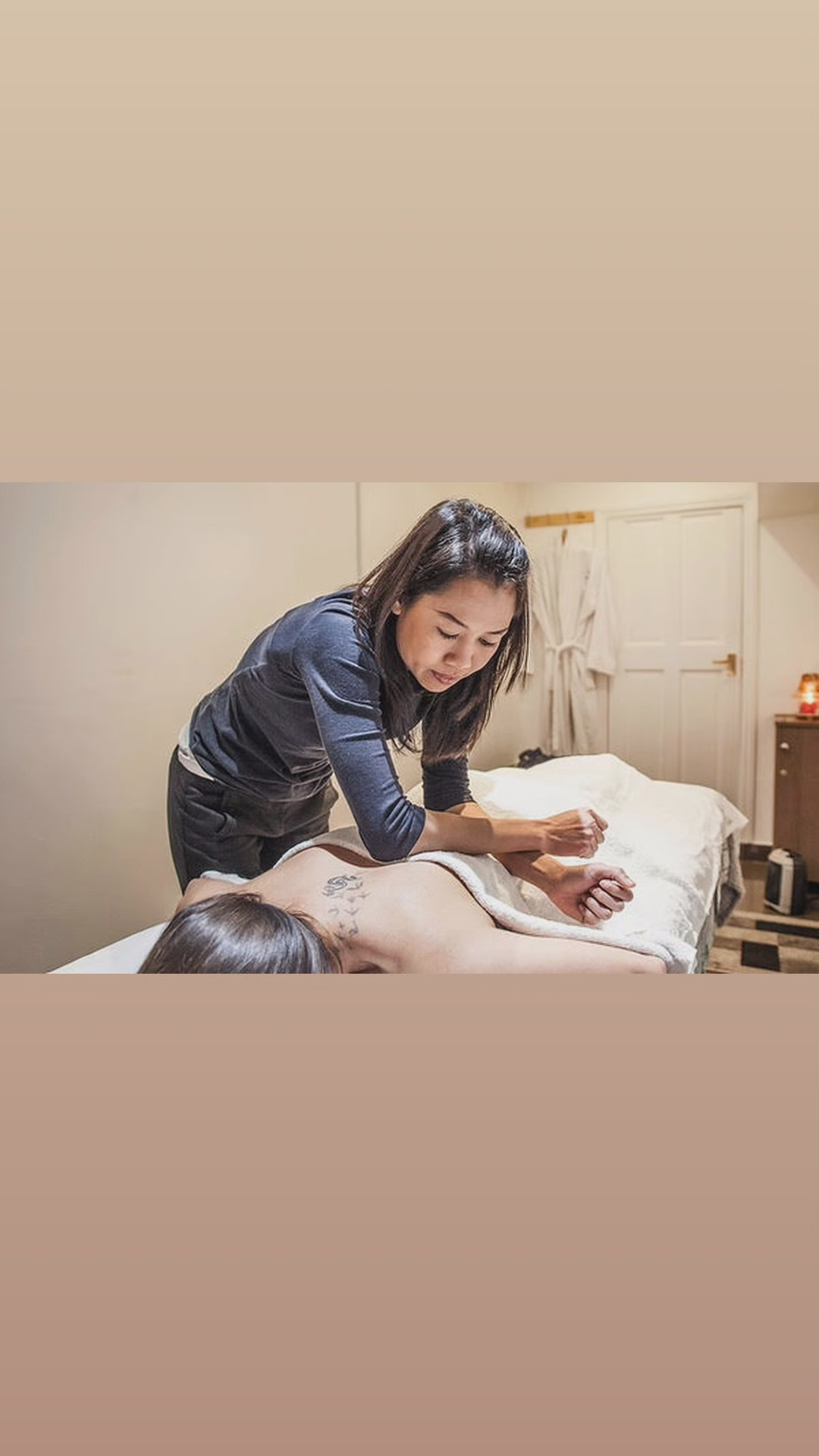
Cold hands, heavy legs, stiff shoulders and a foggy head can all make the body feel sluggish. While circulation is shaped by movement, hydration, heart health and many other factors, massage can offer a gentle way to support the body’s natural flow.
Massage does not “cure” circulation problems, and it should not replace medical care for symptoms such as unexplained swelling, chest pain, numbness, sudden leg pain or changes in skin colour. This article is for general wellbeing information only. If there is a known heart, vascular or clotting condition, it is best to check with a healthcare professional before booking treatment.
For everyday tension and tiredness, though, regular massage can help the body feel warmer, looser and calmer. Swedish massage, deep tissue work and aromatherapy massage each support circulation in slightly different ways, while also encouraging the nervous system to settle. That blend of physical ease and mental quiet is why massage has become a trusted part of many holistic health routines.

How massage supports healthy blood flow
Circulation is the movement of blood through the body. Blood carries oxygen and nutrients to muscles, skin and organs, then helps remove waste products from tissues. Good circulation also supports temperature regulation and general energy.
Massage works with this system through rhythmic pressure, movement and touch. When a therapist glides, kneads or compresses soft tissue, they create gentle mechanical stimulation. This may help encourage local blood flow to the area being treated. It can also support the movement of lymph, the clear fluid that helps carry waste products away from tissues.
The effects are often easiest to feel in simple ways:
Warmer hands or feet after treatment
A lighter feeling in the legs
Reduced tightness around the neck and shoulders
Easier breathing when the chest and upper back relax
A slower, steadier sense of mind and body
Massage also affects circulation indirectly. Stress can cause muscles to brace and breathing to become shallow. When the nervous system relaxes, muscles soften and breathing deepens. This can make the body feel less tense and more open.
Massage is often most helpful when seen as support for the body’s natural processes, not as a quick fix.
The best results tend to come from a wider wellbeing pattern. Gentle movement, enough water, balanced meals, quality sleep and regular breaks from sitting all matter. Massage fits into that pattern by helping the body recover from daily strain.
Swedish massage encourages gentle movement and calm
Swedish massage is often the first style people try, and for good reason. It uses smooth, flowing techniques that feel soothing without being overwhelming. The therapist may use long strokes, light kneading, circular movements and gentle tapping or vibration.
These movements are usually directed towards the heart, which matches the natural return flow of blood through the veins. The pressure can range from light to medium, making Swedish massage a good option for anyone who wants to feel refreshed without intense bodywork.
Common Swedish massage techniques include:
Technique | How it feels | How it may support circulation |
Effleurage | Long, gliding strokes | Warms tissue and encourages gentle flow |
Petrissage | Kneading and lifting muscle | Helps soften tight areas and stimulate local blood flow |
Friction | Small, focused movements | Works around knots and areas of stiffness |
Tapotement | Light tapping or rhythmic percussion | Awakens the tissue and may feel energising |
Vibration | Fine shaking or trembling motions | Encourages relaxation in tense muscles |
Swedish massage is especially useful when the goal is both physical and mental relief. The steady rhythm gives the mind something safe to follow. As the body begins to relax, thoughts often slow down too.
To make a Swedish massage more effective for circulation and clarity:
Ask for steady, even pressure rather than sudden intensity.
Breathe slowly through the nose when a tight area is worked.
Drink water after the session, especially if the room was warm.
Take a short walk later in the day to keep the body moving.
Avoid rushing straight back into a packed schedule if possible.
Swedish massage can be a gentle reset. It is a good choice when the body feels tired, the mind feels busy, or there is a need to come back into balance without pushing too hard.

Deep tissue massage helps release stubborn tension
Deep tissue massage works more slowly and with more focused pressure. Rather than gliding over the whole body, the therapist targets deeper layers of muscle and connective tissue. This style can be useful when tension has built up over time, especially in the back, shoulders, hips, calves or neck.
Many people seek deep tissue massage when they feel tight from long hours sitting, repetitive movement, sport or stress. Tight muscles can feel dense and restricted. By applying careful pressure, the therapist encourages those areas to soften.
This may support circulation because tight tissue can feel compressed and less mobile. When the muscle relaxes, blood flow to the area may feel improved. The warmth and looseness after deep tissue work often make movement feel easier.
Deep tissue massage should not feel like a test of endurance. Strong pressure can be helpful, but sharp pain, tingling, numbness or breath-holding are signs to speak up. A good therapist will adjust.
A helpful pressure scale is simple:
1 to 3 feels very light
4 to 6 feels comfortably therapeutic
7 feels strong but manageable
8 or above usually means the body is guarding
For most people, the best deep tissue work lives around the middle of that scale. When pressure is too intense, muscles may tighten against it. That defeats the purpose.
Deep tissue massage can also support mental clarity in an unexpected way. Persistent tension uses attention. A tight jaw, aching lower back or lifted shoulders can keep the brain on alert. When those signals quiet down, there is often more room to think clearly.
To get the most from deep tissue massage:
Arrive a few minutes early so the body is not rushed.
Tell the therapist about old injuries or sensitive areas.
Use slow breathing during deeper pressure.
Plan a gentle evening afterwards, rather than heavy exercise.
Expect some tenderness, but not severe pain.
Deep tissue massage is best treated as a conversation with the body. The aim is release, not force.
Aromatherapy massage adds scent to the circulation and relaxation benefits
Aromatherapy massage combines touch with essential oils diluted in a carrier oil. The massage itself supports relaxation and local circulation, while the scent adds another sensory pathway into calm.
Smell has a close link with memory and emotion. A familiar relaxing scent can help the brain recognise that it is safe to settle. For some people, this makes aromatherapy massage especially helpful during periods of stress, low mood or mental overload.
Common essential oils used in massage include lavender, rosemary, eucalyptus, bergamot and chamomile. Each has a different character. Lavender is often linked with rest. Rosemary can feel clearer and more refreshing. Eucalyptus may feel bright and open, especially when paired with slow breathing.
The key word is diluted. Essential oils are concentrated and should not be applied neat to the skin. A trained therapist will blend them safely into a carrier oil such as sweet almond, grapeseed or jojoba. Anyone who is pregnant, has asthma, has allergies, has sensitive skin or takes regular medication should mention this before treatment.
Aromatherapy massage may be lighter than deep tissue work, though it can still include firm pressure if suitable. The goal is often whole-body ease. The therapist may use flowing strokes, gentle kneading and quiet pauses that allow the scent and touch to work together.

To use aromatherapy for relaxation and mental clarity:
Choose one or two oils rather than a strong mix.
Ask for a lighter scent if smells easily overwhelm you.
Pair the scent with slow breathing at the start of the session.
Keep the room quiet, with gentle lighting if available.
Notice how the body feels after the treatment, not only during it.
Aromatherapy can also help create a ritual. When the same calming scent appears again in a future session, the body may relax more quickly. That repeated cue can be powerful.
Regular sessions support long-term wellbeing
A single massage can feel wonderful. Regular sessions are where many people notice deeper change. The body responds well to rhythm. Just as one walk is helpful but regular walking builds fitness, massage can become more effective when it is part of a steady wellbeing routine.
The right frequency depends on the person. Someone with a physically demanding job may prefer weekly or fortnightly sessions for a period. Someone using massage for general relaxation may feel well supported with one session every four to six weeks. The ideal pattern is one that feels useful, affordable and realistic.
Regular massage may support overall wellbeing by helping with:
Muscle tension from posture or repetitive movement
General relaxation after stressful weeks
Body awareness, including noticing tightness earlier
Sleep preparation, especially when sessions are calming
Mental clarity through reduced physical discomfort
A gentle sense of routine and self-care
For circulation, consistency matters because daily habits shape how the body feels. Massage can help, but long stretches of sitting still, dehydration and high stress may work against it. Small habits between sessions can extend the benefits.
Try these simple practices:
Move little and often
A few minutes of walking, ankle circles or shoulder rolls can help the body feel less stagnant. This is especially useful during long periods at a desk, while travelling, or after sitting through meetings.
Use warmth wisely
A warm bath, heat pack or cosy socks can encourage comfort and relaxation. Avoid heat on swollen, inflamed or injured areas unless advised by a professional.
Breathe with the ribs
Slow breathing helps the nervous system settle. Place a hand on the lower ribs and feel them widen gently on the inhale. Let the exhale be unforced and longer than the inhale.
Stretch gently after massage
Simple stretches can help keep muscles supple. Avoid forcing range of movement. The goal is ease, not performance.
Book before tension becomes severe
Many people wait until discomfort interrupts sleep or daily movement. A regular appointment can catch tightness earlier, when it is easier to calm.
Regular massage also creates a pause. That pause has value. In a full week, the body may receive many signals to hurry, brace and keep going. A massage session sends the opposite message: slow down, soften, breathe.

Choosing the right massage for your body
Swedish, deep tissue and aromatherapy massage can all support circulation and relaxation, but they suit different needs.
Choose Swedish massage when the body feels tired, tense or sensitive. It is a good all-round treatment for relaxation, gentle circulation support and stress relief.
Choose deep tissue massage when there are stubborn tight spots or long-held muscle tension. It should feel focused and therapeutic, not punishing.
Choose aromatherapy massage when the mind feels busy and the nervous system needs quiet. The scent can add an extra layer of calm and help turn the session into a restorative ritual.
The most effective massage is the one matched to the body on the day. Some weeks call for deeper work. Others call for light, slow touch. A skilled therapist will adapt the treatment rather than follow a fixed script.
Before any session, share relevant information. Mention injuries, medication, skin sensitivity, pregnancy, recent surgery, varicose veins, dizziness, clotting issues or unexplained pain. Clear communication keeps the treatment safer and more comfortable.
After the session, give the body time to respond. Stand up slowly. Notice warmth, softness and breath. If the mind feels clearer, resist the urge to fill that space immediately. A few quiet minutes can help the benefits last.
Massage can be a practical and soothing way to support circulation, relaxation and mental clarity. It works best as part of a wider approach to health, with movement, rest, nourishment and medical care when needed. Whether the session is flowing Swedish massage, focused deep tissue work or scent-led aromatherapy, the shared aim is simple: help the body feel more at ease, more awake and more connected.

Comments